
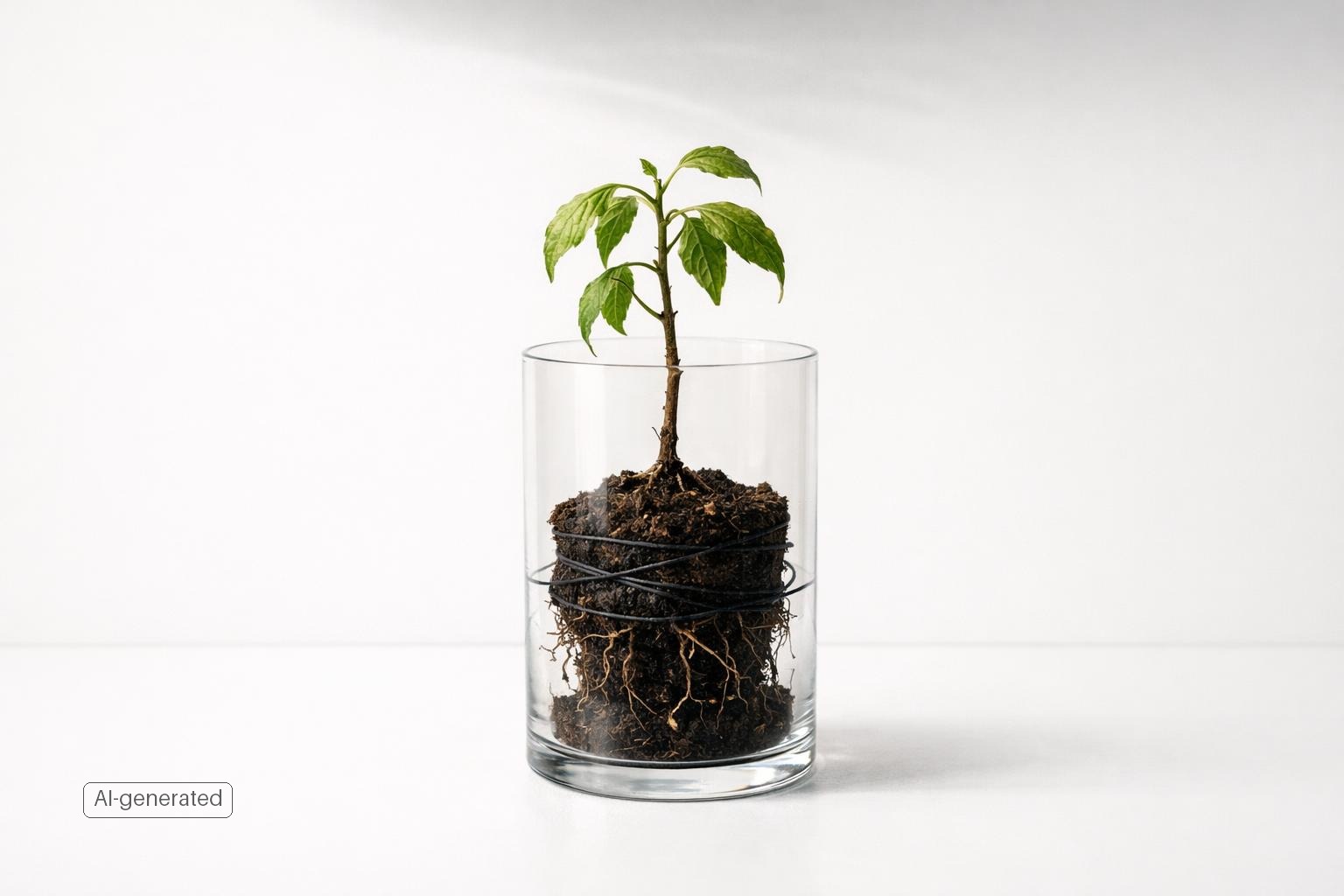
Quick answer: Wellness teams should treat stress as a measurable biological input, not just a subjective complaint. The useful checklist is simple: define what kind of stress you are dealing with, separate acute spikes from chronic load, track recovery capacity, measure behaviors that shape the stress response, and use biological age or DNA methylation readouts carefully as trend tools rather than diagnostic verdicts. Current evidence suggests stress can raise biological age signals and that some of those changes may improve when the stressor resolves or recovery improves (Biological age is increased by stress and restored upon recovery - ScienceDirect).
TL;DR
- Stress is not one thing. Acute stress, chronic psychological stress, trauma, illness, sleep loss, and physiological strain can affect biological aging signals differently.
- Biological age can move faster than chronological age, and some stress-related shifts appear at least partly reversible after recovery.
- A good wellness checklist focuses on exposure, recovery, lifestyle drivers, and repeat measurement over time, not one-off interpretation.
- For wellness teams, the safest use of biological age is longitudinal: compare someone to their own baseline and pair results with sleep, exercise, workload, and perceived stress data.
Why should wellness teams connect stress and biological age?
If your team works in preventive wellness, stress belongs on the same level as sleep, movement, and nutrition. Not because “stress is bad” in a vague sense, but because stress is one of the clearest examples of how lived experience can become biology.
Biological age is usually estimated from biomarkers that reflect how the body is functioning relative to chronological age ). In epigenetics, this often means DNA methylation patterns across many sites in the genome. Epigenetic clocks use these patterns to estimate age-related change, and some clocks are designed to capture risk-related aging rather than just calendar age (Psychological and biological resilience modulates the effects of stress on epigenetic aging - PMC). Reviews and cohort studies have linked stress exposure, especially chronic or traumatic stress, with accelerated epigenetic aging in at least some populations (Association between chronic stress and the epigenome: Exploration of psychological and biological stress - PMC).
That does not mean every stressed person will show the same biological age result. It also does not mean a single test can prove that work stress, parenting, grief, or overtraining is “causing” faster aging in an individual. Stress biology is messy. Different clocks capture different signals. Psychological stress often overlaps with poor sleep, lower physical activity, alcohol use, shift work, inflammation, or infection.
For a wellness team, that uncertainty is not a reason to ignore biological age. It is a reason to use it correctly. The value is not a dramatic one-time number. The value is creating a structured way to ask: what stressors are present, what recovery is available, and do biological signals improve when the environment and habits improve?
What does the science actually say about stress and biological age?
The strongest practical takeaway is that stress-related biological aging appears dynamic, not fixed. A widely cited Cell Metabolism study reported that biological age rose in response to several forms of severe stress and fell again during recovery, suggesting at least part of the signal is reversible (Biological age is increased by stress and restored upon recovery - ScienceDirect). The National Institute on Aging summarized this as evidence that stress-induced increases in biological age can be reversible.
That matters for wellness work because it shifts the conversation from fatalism to response management. If biological age can move with stress and recovery, then support programs should focus on reducing ongoing load and improving resilience capacity.
The evidence is not uniform across all stress research. Some studies connect cumulative or traumatic stress to higher epigenetic age acceleration, while others show mixed or even unexpected findings depending on the population, stress measure, biology assessed, and clock used. Trauma meta-analysis data, for example, has suggested an association between traumatic stress and advanced DNA methylation age (Traumatic stress and accelerated DNA methylation age: A meta-analysis - ScienceDirect).
Two cautions follow from this:
- Biological age is not identical to stress.
- Stress effects are easier to understand when measured repeatedly.
If a wellness team treats one biological age result as a full stress diagnosis, it will overreach. If it treats repeated results as one component of a broader stress-and-recovery picture, it becomes much more useful.
What should be on a stress and biological age checklist?
A practical checklist should help a coach, clinic, or wellness program move from guesswork to structured observation. The point is not to score stress perfectly. The point is to make sure the main drivers are not being ignored.
1. Define the stress exposure
Ask what kind of stress is present:
- Acute: deadlines, travel, exams, intense life events
- Chronic: workload, caregiving, financial strain, relationship conflict
- Physiological: illness, pain, sleep restriction, overtraining, shift work
- Traumatic or severe: loss, violence, accidents, disaster exposure
This matters because different stressors may affect the body through different pathways, including cortisol signaling, inflammation, autonomic activation, immune changes, and oxidative stress.
2. Separate load from recovery
Two people can have similar stress exposure but very different biological impact if one recovers well and the other does not. Resilience research suggests psychological and biological resilience can modulate how stress relates to epigenetic aging.
Track:
- Sleep duration and quality
- Rest days and exercise balance
- Time off and boundary control
- Social support
- Perceived ability to recover after pressure
3. Check the common confounders
Before blaming “stress,” review the big overlapping factors:
- Alcohol and nicotine
- Nutrition quality and under-fueling
- Recent infection or inflammation
- Medication changes
- Menstrual status or hormonal disruption
- Major weight change
These can change biological signals and can also be downstream effects of stress itself.
4. Use subjective and objective data together
Combine self-report with measurable inputs:
- Perceived stress score
- Mood and irritability
- Sleep metrics
- Resting heart rate or HRV, if available
- Biological age or epigenetic trend data
No single metric is enough. Patterns are what matter.
One-page checklist for wellness teams
Use a simple 0-2 scoring rule for consistency: 0 = no clear concern, 1 = possible/mild concern, 2 = clear concern or active issue. Add a free-text note beside each item. The goal is not a diagnostic score; it is a repeatable team workflow.
| Section | What to check | Owner | Score |
|---|---|---|---|
| Stress exposure | Acute spike, chronic load, physiological strain, trauma history | Coach or intake lead | 0-2 each |
| Recovery capacity | Sleep, time off, training balance, social support, recovery ability | Coach | 0-2 each |
| Confounders | Alcohol/nicotine, infection, meds, under-fueling, hormonal disruption, weight change | Nurse, coach, or intake lead | 0-2 each |
| Objective signals | Sleep wearable data, resting HR/HRV, weight trend, training load | Client + coach | 0-2 each |
| Biological age test quality | Same test method over time, valid sample collection, clear reporting, longitudinal comparison, non-diagnostic positioning | Program lead | pass/flag |
| Action plan | Top 2 stressors, top 2 recovery actions, referral needed, retest date | Coach + client | complete/incomplete |
Retest timing: after an acute stressor resolves, wait until a stable recovery period is underway; for lifestyle interventions, retest after a defined block such as 8-16 weeks; for chronic high-load cases, avoid very short retest loops unless the testing method supports that use.
Example workflow: Week 0 baseline shows chronic workload, short sleep, higher alcohol intake, and recent overtraining. Owner assigns sleep boundary changes to the client, training reduction to the coach, and symptom screening/referral review if red flags appear. Week 6 behavior review shows better sleep and lower training strain. Week 12-16 retest compares biological age with baseline and reviews whether stress, recovery, and confounder scores improved together.
How should teams use biological age data without overinterpreting it?
Biological age works best in wellness when it is used as a longitudinal signal, not as a label. A useful mindset is: “What changed, over what period, and what else changed with it?”
If your team uses epigenetic testing, set expectations clearly. DNA methylation-based biological age estimates are promising because they capture age-related molecular patterns and can be more informative than simpler aging proxies in some settings. But they are still indirect summaries of complex biology. They are not a diagnosis of burnout, depression, adrenal dysfunction, or future disease.
A good workflow looks like this:
-
Establish baseline context before testing. Record recent illness, major stress events, sleep disruption, travel, medication changes, and lifestyle habits.
-
Avoid snap conclusions from one result. A higher-than-expected biological age signal can reflect cumulative strain, but it does not reveal a single cause.
-
Retest on a meaningful timeline. For wellness use, trend interpretation is often more valuable after a period of intervention or recovery than immediately after one stressful week.
-
Link interventions to measurement. If a client changes workload, sleep routine, exercise load, alcohol intake, or recovery practices, note the timing.
-
Interpret small changes cautiously. Not every shift is meaningful. Method, sample quality, and normal variability matter.
This is where an AI-powered analytics approach can help if it remains explainable and conservative. For a company like PredictMe, the value proposition is not just generating a number. It is helping users translate molecular signals into understandable patterns that fit a preventive wellness context. That means being honest about limits while still making the data actionable.
What actions should a wellness team take when the checklist suggests stress overload?
The checklist should drive decisions, not sit in a spreadsheet. If stress load looks high and recovery looks weak, the first move is usually to reduce inputs before adding more “optimization.”
Start with the lowest-friction changes:
- Protect sleep opportunity
- Remove unnecessary high-intensity training for a period
- Reduce alcohol
- Tighten work-hour boundaries where possible
- Increase daylight exposure and regular movement
- Add predictable recovery blocks, not just vague advice to relax
This may sound basic, but it matches the biology. Chronic stress interacts with inflammatory signaling, neuroendocrine responses, and cellular maintenance pathways that are also influenced by sleep, exercise balance, and energy availability. Wellness teams often fail by adding supplements, wearables, and protocols before addressing obvious overload.
For organizations or clinics, there is also a program-design issue. If you want better biological aging outcomes, your workflow should include:
- A stress intake screen
- A recovery screen
- A retest interval
- Criteria for referral when symptoms suggest a medical or mental health issue
That last point matters. Wellness teams should not use biological age tools to manage chest pain, major depression, trauma crises, severe insomnia, eating disorders, or unexplained weight loss. Those require clinical care.
Where biological age tracking is useful is the middle ground: people who are still functioning, but whose biology may be drifting in the wrong direction before clear disease appears. That is the preventive wellness use case. A finger-prick, longitudinal epigenetic test such as PredictMe Delta fits this model best when paired with behavior and environment review rather than sold as a standalone verdict.
FAQ
Can one stressful month raise biological age?
Possibly, at least temporarily. Evidence suggests severe or acute stress can shift biological age-related signals and DNA methylation patterns over relatively short periods, though the size and durability of the change vary.
Is stress-related biological aging always permanent?
No. Some findings suggest stress-related increases in biological age can partially reverse during recovery. That does not mean all effects disappear or that chronic stress leaves no lasting mark.
Which matters more: Subjective stress or physiological stress?
Both. Someone may report feeling “fine” while showing poor sleep, high training load, infection, or persistent work strain. Subjective stress captures experience; physiological stress captures load on the body. You need both to interpret biological age sensibly.
Should wellness teams test everyone?
In my view, no. Testing is most useful for people who want baseline-plus-trend insight and are willing to change behaviors and retest. If someone wants a one-off score with no context, the result is less likely to help.
How often should biological age be rechecked?
There is no universal rule. In wellness settings, retesting usually makes more sense after a defined intervention or recovery period than at very short intervals. The right cadence depends on the method used, expected signal stability, and the person’s goals.
Bottom line
A good stress and biological age checklist does not try to turn stress into a single score. It helps wellness teams identify the type of stress, the depth of recovery, the major confounders, and whether biological signals are trending in a better or worse direction over time.